AstroNav | Flight 1
The first archived AstroNav flight log: live telemetry, a successful launch and several important hardware lessons.
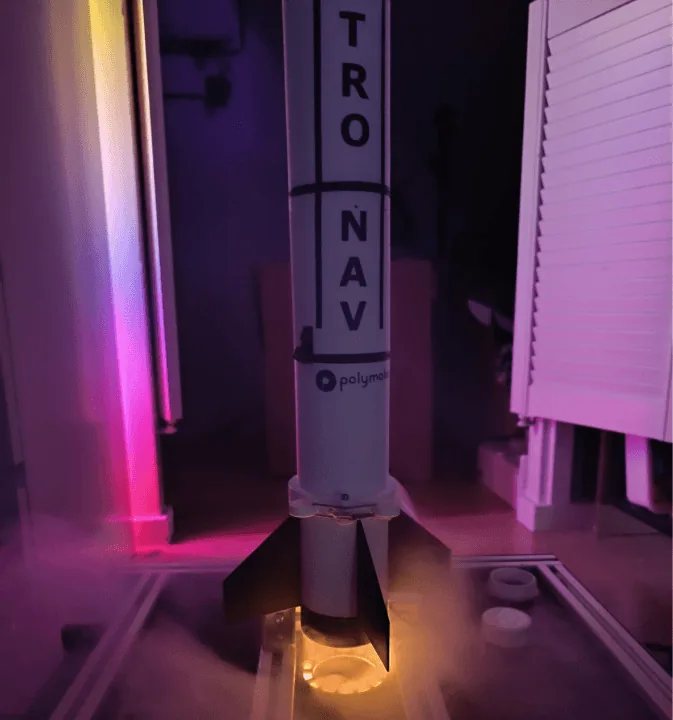
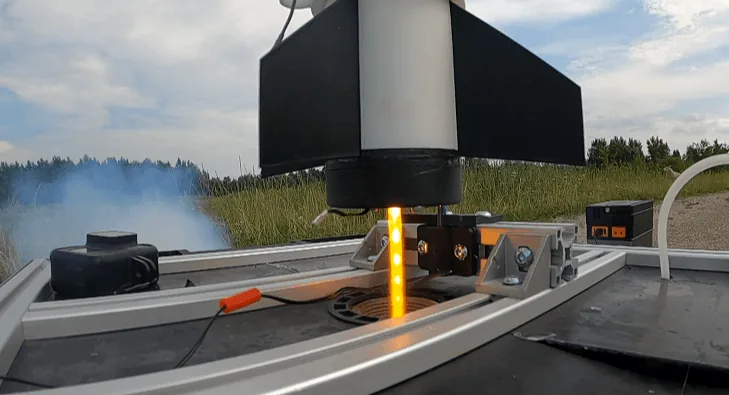
This was the first documented test flight of AstroNav, my flight controller for model rockets. I installed the module inside the rocket to measure altitude, velocity and flight duration, then sent that information wirelessly to a handheld base station.
Following the flight live
The base station displayed the incoming data during ascent. That made it possible to follow values such as estimated maximum altitude and speed without waiting until the rocket had been recovered.
The launch itself was a success, but the system was far from finished. That is exactly why I run flight tests: a real launch exposes problems that are easy to miss on a workbench.
Camera and vibration problems
The onboard camera failed again. My best explanation at the time was that vibration corrupted the microSD card. It was a reminder that mounting, connectors and storage media matter just as much as the electronics on the schematic.
A launch circuit that needed replacing
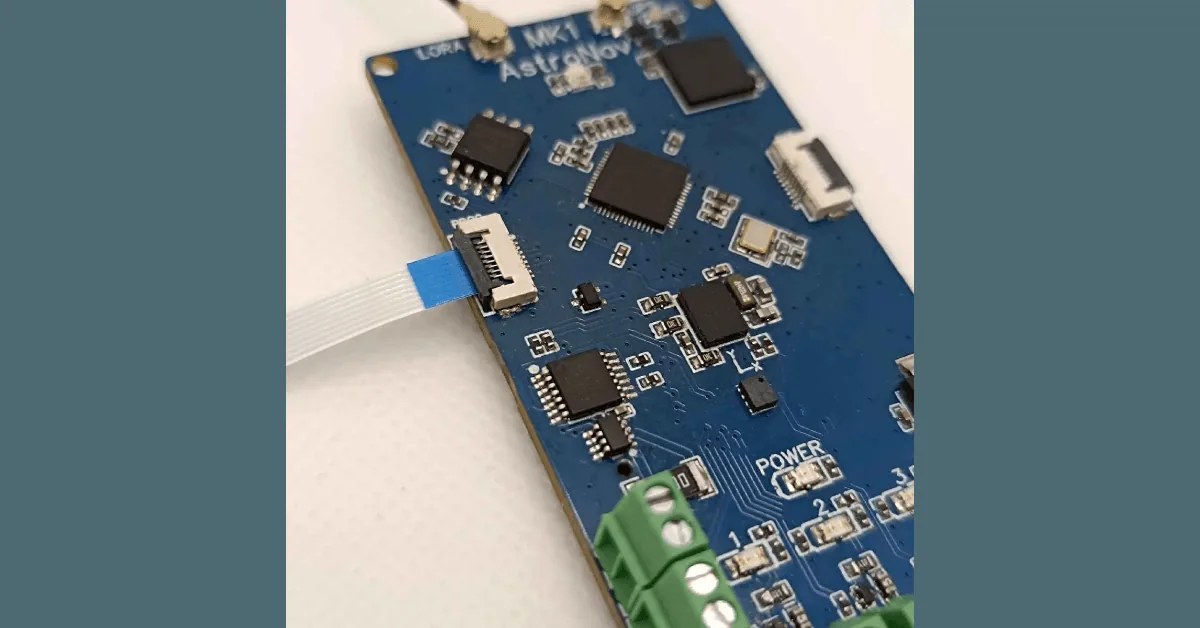
The flight-controller PCB did not ignite the e-match. I suspected that the regulator converting the battery voltage to 5 V had overheated—possibly because I had also soldered the camera directly to that part of the power circuit.
I was still using an old controller revision with a fixed six-minute timer. Once powered, I had to close the rocket and move away before the timer expired. Looking back, that was a bad and unsafe design. I retired that method and treated safe, deliberate launch control as a requirement for later versions.
Why this flight mattered
Flight 1 proved that the basic idea of recording and transmitting data was worth continuing. More importantly, it gave me a practical list of what to improve: power management, ignition control, vibration resistance and the camera setup.
The original project video was sponsored by Polymaker.